London firefighters rescue an average of seven people a day
Login to react.
New data from London Fire Brigade has revealed that firefighters rescued 2,455 people between April 2025 and March 2026 – an average of nearly seven people a day. From fires in high-rise buildings and multi-vehicle col
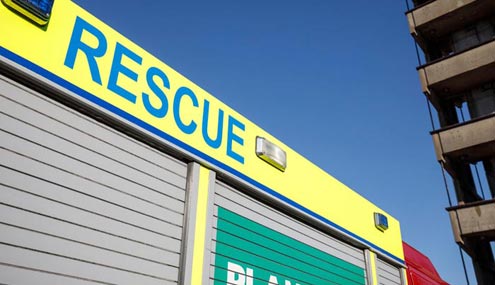
New data from London Fire Brigade has revealed that firefighters rescued 2,455 people between April 2025 and March 2026 – an average of nearly seven people a day. From fires in high-rise buildings and multi-vehicle collisions to rescues from lifts and the Thames, firefighters used their technical expertise to rescue Londoners in numerous situations across the capital.
Firefighters rescued 247 people from fires over the 12-month period – an 18 per cent increase on the previous financial year and an average of almost five people a week. However, firefighters are trained to respond to a variety of incidents and during the last financial year, they have carried out rescues from 44 different types of emergencies across London.
The month with the most rescues was July 2025, when crews rescued 258 people. The most common types of rescues are people ‘collapsed behind locked door’ with 1,050 people helped, followed by 379 people from lifts.
The fire with the most rescues occurred in Perivale, where crews brought five people out following an e-bike fire in a ground floor flat. While an incident on South Street in Havering, saw crews rescue nine people trapped in a lift at a commercial property.
As London’s rescue service, the Brigade is also responsible for investigating the causes of fires across the capital through its Fire Investigation Team. Since the arson attack on the Hatzolah Ambulances in March, the Brigade has responded to seven targeted incidents of arson.
Due to their ability to detect various ignitable substances, the Brigade’s Fire Investigation Dogs have been utilised by the Metropolitan Police Service to investigate the scenes of suspected arson incidents and to support police operations when arrests have been carried out. The Brigade has also been working with organisations such as Community Security Trust (CST) to ensure the safety of all Londoners.
Following the attack on a Synagogue in Kenton, a Brigade National Interagency Liaison Officer (NILO) worked as part of the investigation to identify the offender within the grounds. As the NFCC Strategic Lead for National Security, the London Fire Commissioner has been ensuring key information and briefings are provided to all UK Chief Officers, while the Brigade’s leadership of the NILO network has included national co-ordination of key messaging, connectivity, operational requirements, intelligence and risk.
At a local level, firefighters and officers are engaging with local communities to understand their concerns, as well as carrying out familiarisation visits to key locations that may be impacted by ongoing incidents. London Fire Commissioner Jonathan Smith said: “Firefighters across London are called to apply their specialist skills to rescue an average of seven people a day from challenging and often unpredictable situations.
“Last year, more than 2,400 people were brought to safety – from fires, medical emergencies, chemical spills, water rescues, and countless unusual incidents. These figures demonstrate not only the scale of the demands placed on our firefighters, but also their technical expertise and commitment to public safety.
“This vital work is only possible with the continued support we receive from the Mayor of London, which enables us to maintain our capabilities and provide the best possible service to our communities. “As new risks and challenges arise, we continue to develop our emergency response.
Working alongside our partners in the police and ambulance services, we’re committed to making London safe for all its communities. "Whether someone is in need at a fire, has collapsed behind a locked door, is stuck in a lift, Londoners can be confident that our firefighters will respond swiftly, and with exceptional skill.” The most common rescue carried out in 2025/6 was to someone collapsed behind a locked door, with an average of nearly three people a day being helped from this type of situation.
The majority of these rescues are done in support of the London Ambulance Service (LAS) when someone is suspected to be in need of medical attention. By using specialist techniques and equipment, the Brigade can help LAS crews gain entry to the property and treat the patient quickly.
A further five people a week are rescued by firefighters from special service incidents, these are incidents where no fire is involved and firefighters deploy the Brigade’s specialist equipment as part of the response. These types of incidents included teenagers trapped in swings, a child with a toilet seat stuck on their head and a woman with her hair caught in a bike chain.
Other common rescues include chemical incidents, where firefighters work alongside specialist hazardous material (HAZMAT) teams, once a week on average, to respond to gas leaks or the unsafe mixing of common cleaning products. Firefighters also rescue one person or animal every week from a water related incident.
Supporting the Brigade’s specialist fireboat and Fire Rescue Unit crews, firefighters carry out one rescue every week from water-related incidents, including when a vessel is in trouble, or a swimmer is in danger. Fireboat crews often carry out rescues with the Metropolitan Police Service and Royal National Lifeboat Institution.
The average length of time to conduct a rescue is an hour and three minutes, however times do vary depending on the type of rescue that is required. The quickest rescues took the Brigade around a minute, as crews rescued a child stuck in a bathroom and a person with a ring stuck on their finger, while the longest was a rescue from a flat fire, in an incident which lasted for 23 hours.
Firefighters regularly train their specialist rescue capabilities at station and large-scale exercises. In the last year, the Brigade has carried out Marauding Terrorist Attack training at the JobServe Community Stadium in Colchester, chemical incident training on the Elizabeth Line and aircraft and road traffic collision training with Royal Air Force Northolt.
The Brigade has also shared its expertise on how to respond to complex multi-agency incidents with partners such as the North Atlantic Treaty Organisation and The US State Department, including on terrorist incidents. Jules Pipe CBE, Deputy Mayor for the Fire Service, said: “Every day, London’s firefighters are responding to emergencies across the city and running towards danger.
Whether it’s life-threatening fires, medical emergencies, or complex rescue situations, their courageous actions save lives. “These new figures highlight the vital and varied work they do and the Mayor and I will continue to ensure the Brigade have the funding and support needed to build a safer London for everyone." London’s rescue service in numbers As well as 142 fire engines across 103 fire stations across the capital, the Brigade has a range of specialist capabilities: Notes to editors: Statistics are inclusive of the period 01/04/2025 to 31/03/2026.
Related articles
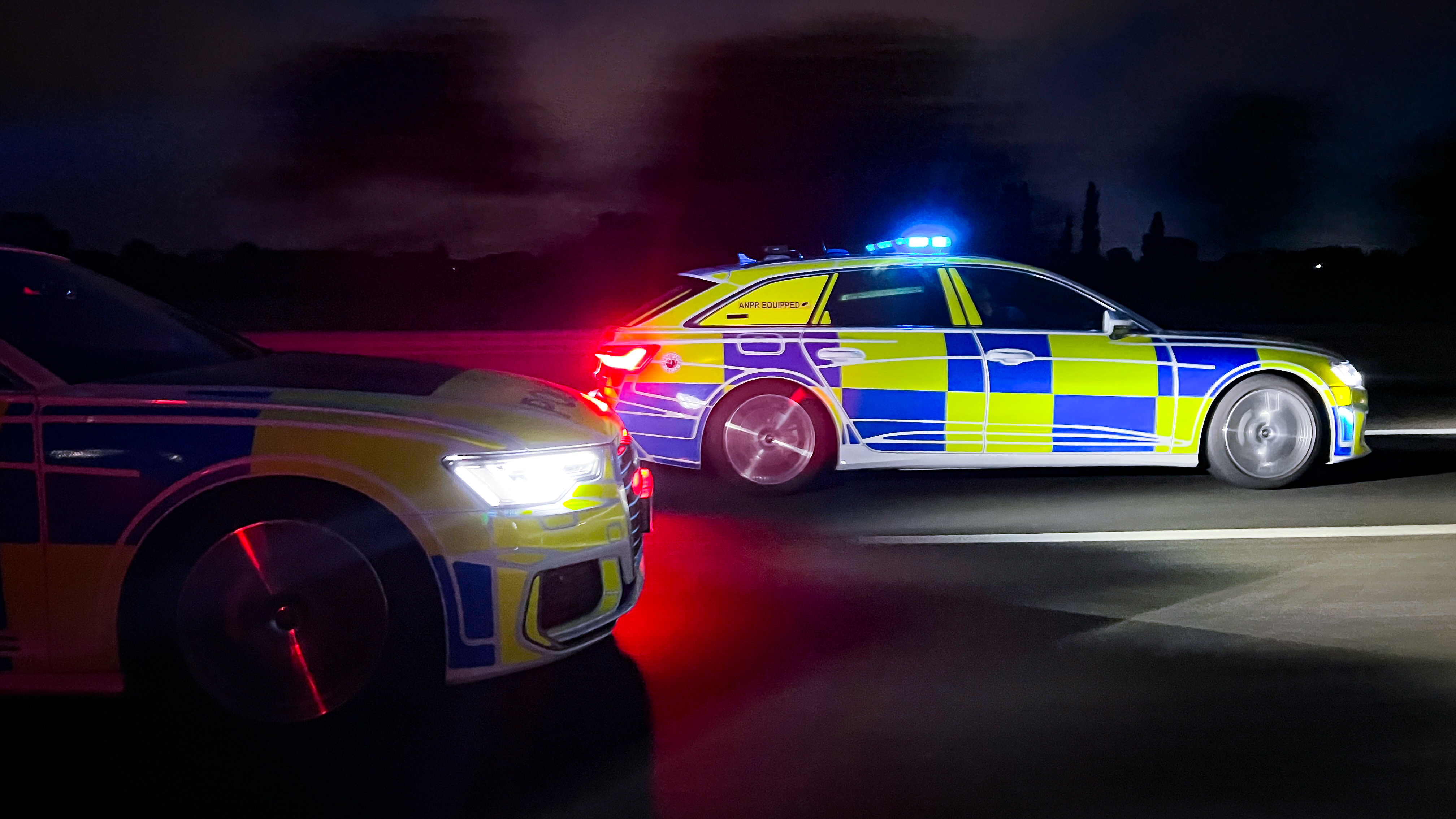
Police step up drink and drug drive enforcement during FIFA World Cup | Avon and Somerset Police
Posted on 15 June 2026, at 10:49 in Campaigns We’ll be carrying out enhanced patrols and roadside checks during England’s FIFA Men’s World Cup matches this month as part of Operation Limit, a national campaign targ

Celebrating outstanding policing | Avon and Somerset Police
Posted on 16 April 2026, at 15:53 in Good News On Wednesday 15 April, we proudly celebrated the outstanding commitment, professionalism and dedication of our police officers, staff, special constables and volunteers at t
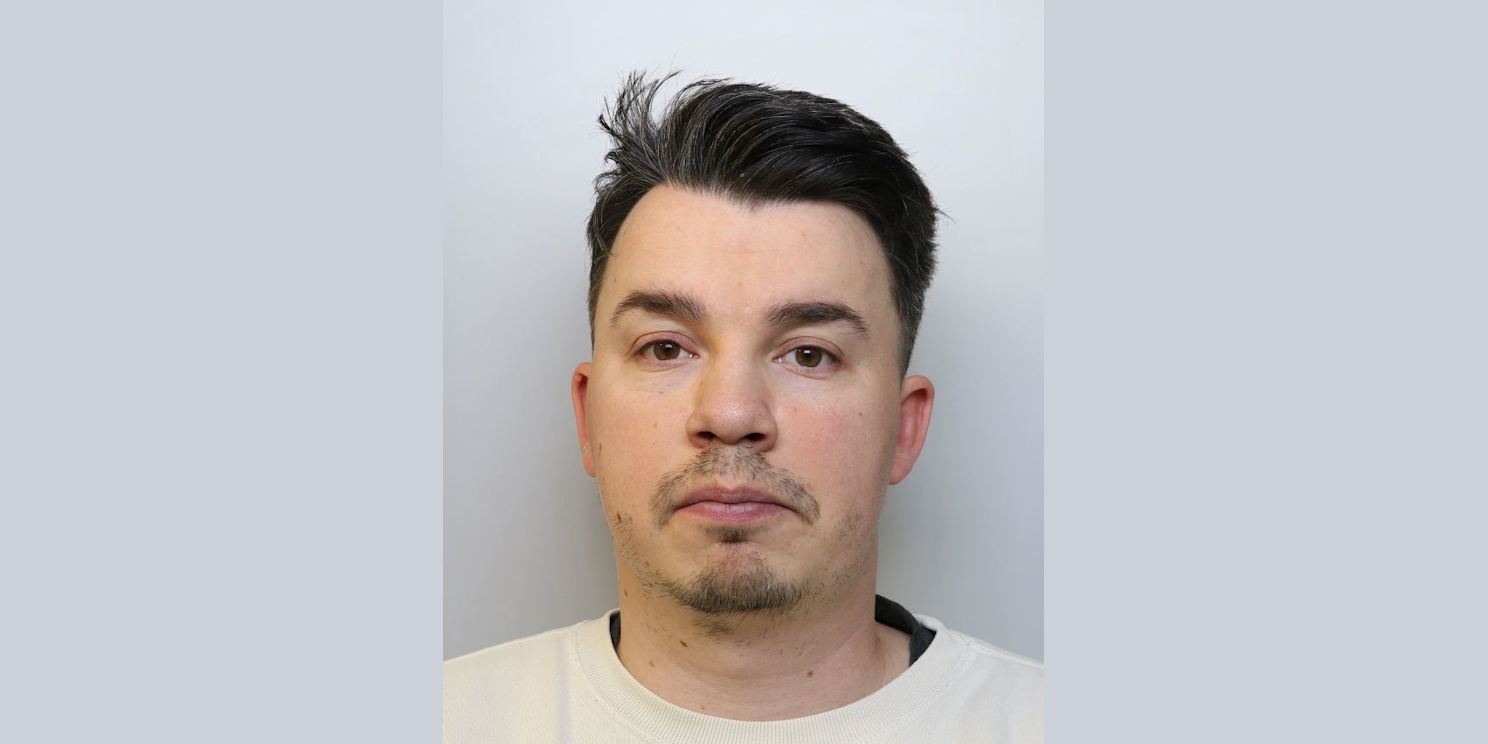
Serial romance fraudster jailed after ‘web of lies’ saw women loses thousands of pounds | Avon and Somerset Police
Posted on 12 August 2025, at 17:13 in In Court A serial fraudster who stole thousands of pounds in romance scams has been jailed for almost three years. Ben Millin, from Yeovil, fabricated stories of dying relatives, fro
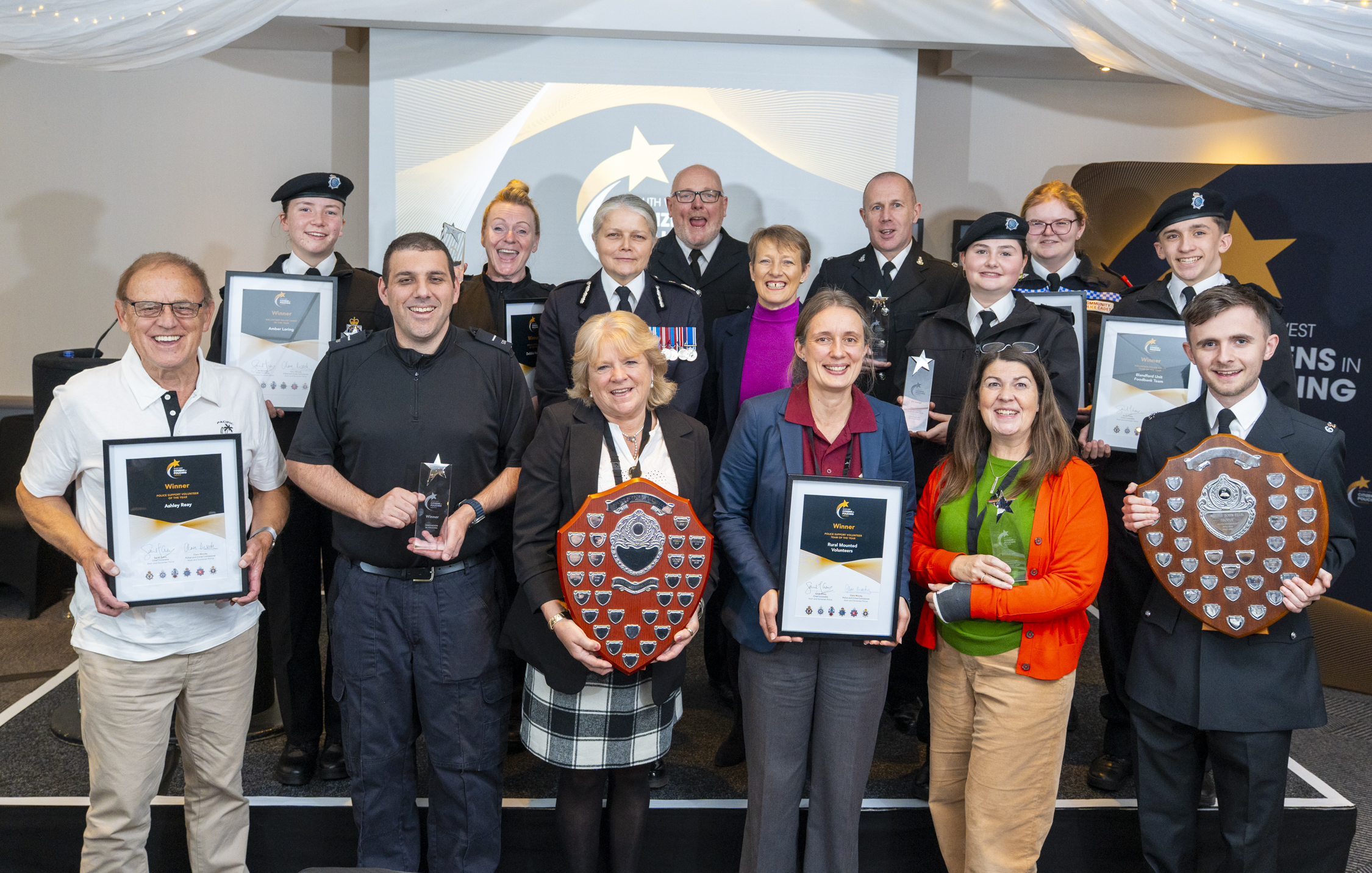
Policing Volunteer Awards | Avon and Somerset Police
Posted on 30 October 2025, at 17:19 in Forcewide News Policing volunteers from across the south west gathered in Bristol on Sunday (26 October) for the Regional Citizens in Policing (CiP) awards, which recognise and cele
No comments yet.